

Driving Distinction: Trademark and Design Protection in the Automotive Parts Manufacturing Industry
Article by Omesh Puri, Anand and Anand | Partner – Trademarks
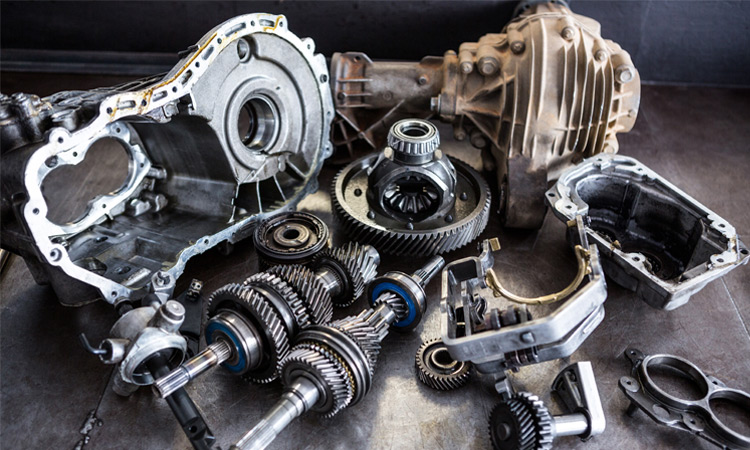

The automotive parts manufacturing industry is a crucial component of the global automotive ecosystem catering to both Original Equipment Manufacturers (OEMs) and the aftermarket. In this fast-evolving, quality-driven and highly competitive sector, intellectual property (IP) plays a vital role in ensuring product differentiation, securing business interests and fostering consumer trust. Among the various forms of IP, trademarks and design rights are particularly valuable assets. These rights not only protect the external and brand-related features of automotive parts but also significantly contribute to business strategy, supply chain relationships and global expansion.
The Value of Trademarks and Designs in Automotive Parts
In the world of automotive components whether it is a headlamp, gear lever or alloy wheel, the appearance, branding and perceived quality of a part can be as influential as its functional performance. While patents typically cover the functional or technical aspects, designs protect the aesthetic elements the shape, configuration, pattern, ornamentation and colour combination that gives a part its visual appeal. On the other hand, trademarks protect brand identifiers such as names, logos, symbols, slogans and even distinctive packaging or shapes that help consumers associate the product with a particular source or standard of quality.
Design registrations provide exclusive rights to the visual appearance of new or original designs for a period of 10 years, extendable by 5 more. For manufacturers, this means control over how parts look and the ability to stop others from copying unique stylistic elements. This is crucial in markets where design aesthetics can influence purchasing decisions, such as in alloy wheels, LED headlights or dashboard components.
Trademarks go a step further by creating long-term brand equity. Words, logos, taglines and even unique product shapes/packaging can be registered and enforced against infringers. A well-recognized trademark assures customers of consistent quality and builds consumer loyalty in the fragmented and often counterfeit-prone aftermarket segment.
Proactive Protection as a Growth Enabler
For manufacturers, IP protection should be integrated early in the product lifecycle ideally during the design and development phase. Proactive registration of designs ensures first-mover advantage and prevents unauthorized replication especially by low-cost competitors or counterfeiters. Given the relative affordability of design registration, it is a strategic investment for any automotive component manufacturer seeking to differentiate in both B2B and B2C markets.
Trademarks also benefit from early application particularly before launching a new brand, sub-brand or product line. A family of marks strategy for instance using corporate name or distinctive mark as prefixes across multiple products can strengthen brand recognition while allowing the company to branch out across product categories. Trade dress and shape marks are particularly useful in protecting products with a distinctive appearance or packaging, helping customers identify genuine parts.
IP protection especially when managed proactively not only helps avoid disputes but also becomes a tool for building brand equity. It provides an asset base that supports licensing, expansion into new geographies and even investor valuations.
OEM Supplier Relationships and IP Ownership
For component suppliers working with automotive OEMs, holding robust IP rights is not just advantageous but it is often essential. OEMs demand high levels of compliance, innovation and reliability from their suppliers. A supplier who owns the design and branding rights to their components can offer greater confidence, reduce legal risk and ensure continuity in the supply chain.
In many cases, OEMs co-develop parts with their suppliers which raises questions around IP ownership. Clearly defined contracts around the assignment, co-ownership, or licensing of trademarks and designs and any other IP rights are vital. A manufacturer who retains ownership or licenses of key IP assets can leverage them to expand into aftermarket sales or negotiate better pricing and exclusivity clauses.
Moreover, OEM agreements frequently include clauses restricting suppliers from selling OEM specific designs in the open market. However, where IP is independently owned by the manufacturer, there is scope for creating derivative product lines for retail or export, under different branding or design modifications. This makes IP a powerful strategic tool for balancing OEM supply obligations with aftermarket ambitions.
Enforcement and Market Protection
Counterfeiting is a persistent issue in the automotive parts market where low-cost spurious parts flood the aftermarket. Not only do such counterfeits compromise safety and performance but they also damage the brand reputation and business of genuine manufacturers. Having registered designs and trademarks allows manufacturers to take effective legal action whether through civil suits, criminal complaints, or administrative enforcement.
Design infringement is easier to prove than copyright or passing off in many cases, since registration provides presumptive ownership and protects even unbranded visual copies. Trademark registration, meanwhile, opens avenues for seizure actions, customs recordation to prevent import of infringing goods and even police raids against counterfeiters.
With the proliferation of online marketplaces, digital enforcement is another area where IP rights become essential. E-commerce platforms are more responsive to takedown requests where registered trademarks or designs are cited. Thus, manufacturers with a strong IP portfolio are better positioned to police misuse both online and offline.
IP and CSR: Branding through Responsibility
Today’s consumers and corporate clients increasingly value sustainability, transparency and social responsibility. For automotive part manufacturers, aligning their branding with CSR initiatives is both a moral imperative and a strategic opportunity. Trademarks and branding can play a powerful role in this alignment. For instance, manufacturers focused on environmentally friendly production processes or recyclable materials can register marks which showcase green or sustainable technology to reflect their values. Such eco-certification or CSR-oriented trademarks can help capture premium markets where green credentials are not just appreciated but expected.
Many companies also invest in community training programs, skill development initiatives or road safety campaigns. Naming and trademarking such initiatives adds long term brand value and public goodwill. This convergence of CSR and IP builds a more credible and holistic brand identity that resonates with customers, employees, and stakeholders.
Global Expansion and International IP Protection
Automotive parts manufacturers increasingly cater to export markets whether as Tier-1 OEM suppliers or independent aftermarket players. As businesses expand across borders, protecting trademarks and designs internationally becomes a necessity.
India’s accession to the Madrid Protocol allows for simplified international trademark filings. Through a single application, manufacturers can seek protection for their marks in over 110 countries. This is particularly useful when entering multiple markets under one brand identity.
Though India is not yet a member of the Hague Agreement for international design registration, Indian manufacturers can still seek protection in key jurisdictions through national filings. Global enforcement requires proactive strategy monitoring competitors, registering rights before entering markets and dealing with infringers across legal systems.
In addition, international buyers and OEMs prefer dealing with suppliers who hold valid IPRs in the jurisdictions of sale. Robust IP compliance often becomes a procurement criterion. It can be the deciding factor in being selected as a long-term vendor or supply partner.
Author- Omesh Puri, Partner at Anand and Anand, is a seasoned IP lawyer with a rich background spanning over 17 years. His expertise extends across a diverse spectrum of tasks, focusing on the prosecution and enforcement of intellectual property (IP) rights, including trademarks, copyrights, and designs. Omesh’s practice encompasses providing strategic advice on intricate commercial and IP disputes while effectively managing IP portfolios across a wide array of industries, including automobiles and auto parts, entertainment, education, food and beverages, software and liqour.