

Vehicle Scrapping: How End-of-Life Recycling is Fuelling Sustainable Mobility
Article by - Jahnavi Devidi, Sr. Research Analyst at DataM Intelligence
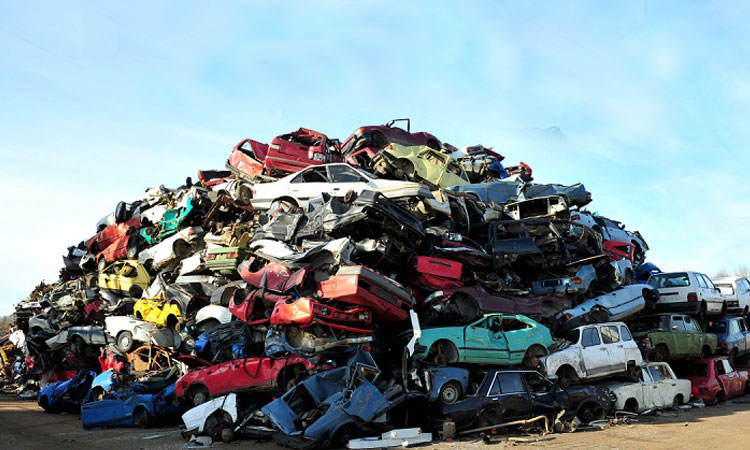
The spotlight in the auto industry often shines on electric vehicles and self-driving tech. But a quieter, equally transformative revolution is accelerating in scrapyards and recycling facilities worldwide. In 2025, the vehicle scrapping market will have evolved from a necessary disposal service into a strategic pillar of the circular economy, directly supporting the industry’s ambitious sustainability goals.
Driven by stringent environmental regulations and a pressing need for resource security, vehicle scrapping is now a high-tech, integral part of the automotive lifecycle. Let’s look at the key trends steering this critical market.
Regulatory Push: Governments Are Stepping on the Gas
Policy is the most powerful engine driving this change. Ambitious government initiatives are systematically phasing out older, polluting vehicles. The EU’s strengthened End-of-Life Vehicle (ELV) Directive, India’s progressive Vehicle Scrappage Policy, and similar frameworks in North America are creating a predictable stream of end-of-life vehicles into organised channels. This not only cleans up urban air but also legitimises and scales the recycling industry.
The Rise of the Circular Auto Economy
Today’s scrapyard is an urban mine. The focus has decisively shifted from waste management to material recovery. Metals, high-grade plastics, and glass are systematically harvested and fed back into manufacturing supply chains. This circular model is reducing the automotive industry’s carbon footprint by decreasing its reliance on virgin materials, making scrapping a foundational practice for sustainable manufacturing.
OEMs Drive Demand for “Green” Metals
Automakers are under immense pressure to decarbonise their entire value chain. This has created a booming market for low-carbon aluminium and steel. Recycled metals from scrapped vehicles offer a significantly greener alternative, and OEMs are actively partnering with recyclers to secure these materials. This direct link between scrapping and new vehicle production is a game-changer for the market’s economics.
High-Tech Dismantling: The Scrapyard Gets a Tech Upgrade
The image of a scrapyard is being completely overhauled by technology. Robotics, AI, and advanced sensor-based sorting systems are increasing the efficiency and value of material recovery. Digital platforms now track each vehicle and its components, ensuring maximum parts reuse and material recycling while adhering to strict environmental and safety standards.
The EV Era Presents a New Recycling Frontier
The electric vehicle wave brings a unique challenge: what to do with end-of-life batteries? This has sparked a parallel industry focused on lithium-ion battery recycling. Specialised firms are developing processes to safely extract and refine valuable materials like lithium, cobalt, and nickel. Furthermore, the concept of giving EV batteries a “second life” in stationary energy storage is gaining traction, adding another layer to the recycling ecosystem. According to DataM Intelligence, the Global Lithium-Ion Battery Recycling Market is growing at a CAGR of 22.3% during 2024-2031, reflecting the rising demand for sustainable solutions and resource recovery in the EV supply chain.
The Organised Sector Gains Significant Ground
In emerging markets, the unorganised, often hazardous, dismantling sector is being rapidly formalised. Government-certified Authorised Treatment Facilities (ATFs) are setting new standards for environmental compliance and worker safety. This shift ensures proper handling of hazardous fluids and increases the traceability of recycled parts, building greater trust with consumers and insurers.
Strategic Investments Signal Market Maturity
The strategic importance of vehicle recycling is attracting serious capital. Private equity investments, partnerships between major global recyclers, and even direct involvement from automotive OEMs are fueling consolidation and innovation. This financial vote of confidence is professionalising the sector and integrating it firmly into the global automotive supply chain.
Conclusion: Scraping is No Longer the End of the Road
In 2025, the vehicle scrapping market is unequivocally linked to the future of mobility. It has transformed into a sophisticated, technology-driven industry that is essential for reducing pollution, conserving resources, and supplying the green materials needed for the next generation of vehicles.
As sustainability becomes non-negotiable, the companies leading the charge won’t just be those that build new cars, but also those that expertly and innovatively manage their end-of-life. The circular journey of a vehicle, from factory to road and back to the factory again, is now a complete loop, with scrapping as the critical link.